
Five Minutes With Michelle Mason

“Vintage” is one of those words that can encompass almost any historic object—or more recently, anything pre-loved. But what does it really mean to you?
For me, the word vintage takes me back around 100 years. I think of furniture, paintings, photographs, and design. Of course, it’s a personal thing—everyone defines it differently. My daughter, for example, sources fashion from the ’80s and ’90s, which she considers vintage—and rightly so.
What draws me in most are the stories. Where has an item been? Who used it? How was it loved before? That sense of history and storytelling is really at the heart of my curiosity and affection for vintage.
I also think it’s important to let objects speak to you. There’s no right or wrong when it comes to choosing. It’s about instinct—what you’re drawn to and what resonates with you.
The Stella Rug was one of your first original creations. How did it become so iconic?
Thank you—it really took on a journey of its own. The design was nominated for best product in Homes and Gardens and was featured in publications like Elle Decoration, Country Living and Living Etc. I used felt traditionally made for pianos—pure felted wool produced here in the UK—which gave the rug a soft, warm feel underfoot. People really responded to that natural texture and design.
How do you pair the comfort of a rug with sitting by a wood-burning stove?
I have a home in the Sierra Nevada in Spain, a very rustic old building. The stove creates a space where I can sit, read, write, and sketch—though these days, we also have the internet! But the stove invites a kind of pause. It encourages staying in and slowing down.On colder nights, we even bake potatoes on top on the log burning stove. There’s something incredibly comforting and nurturing about that experience—wrapped in warmth, surrounded by natural textures. That’s where a rug really comes into its own.
Tell us about your design work with AJ Wells for the Transport for London (TfL) project.


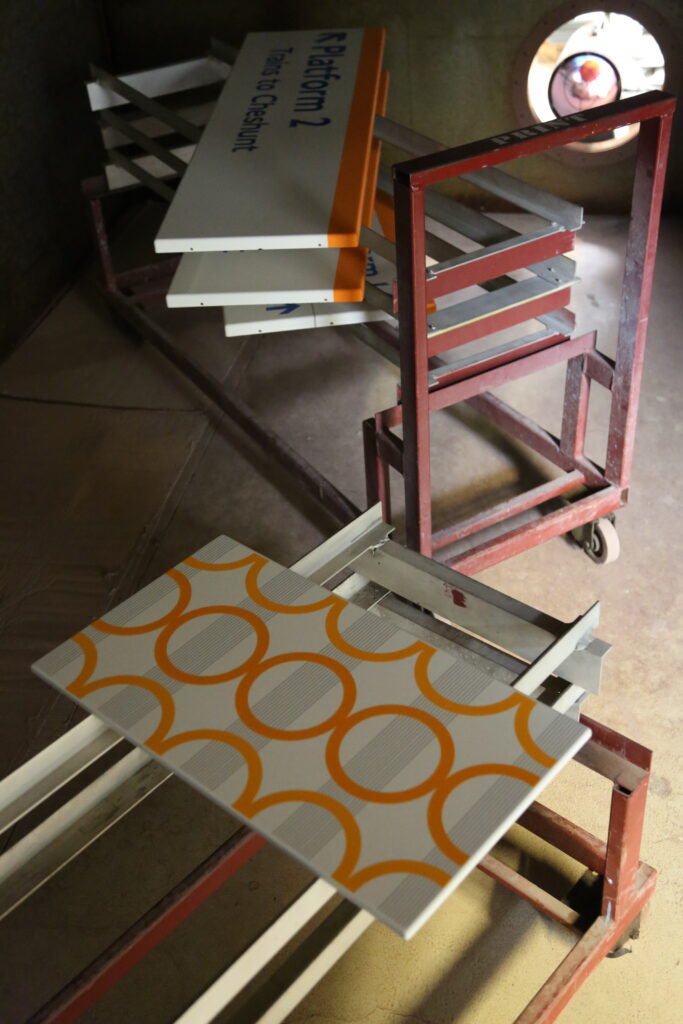
I’ve worked with TfL on several projects, and for this one, I was commissioned to design a series of patterns that were used on cushions and upholstery. The research took me to some of the “Lost Tube” stations—those that are no longer in use but still exist physically. Aldwych is a great example. Although it’s closed to the public, it’s open for tours, and you can still see original hand-decorated tiles. The level of craftsmanship was incredibly inspiring.
Each of my designs in the series was named after the station it was inspired by. One of those patterns was later applied to a heat shield by AJ Wells. I’d visited their factory on the Isle of Wight with a group of other designers invited by TfL. That day we had the privilege of learning about the enamelling process in the very place where all London Tube signage is made. It was a beautiful intersection of heritage, design, and production.
And finally—what’s next for you?
I’ll continue to write and photograph. I’ve just completed a new book, a follow-on from Love Vintage, which will be published in Spring 2026. After ten years of running a shop, I’m really enjoying returning to design work—like my new wallpaper collection, which is printed in Manchester. There’s something very grounding about returning to the tactile process of making again.